
As a New Englander, I often say that I feel blessed to be living in a six-state living history museum. Here, history is not only found on the pages of a book—it lives on in our old homes, our family traditions, and sometimes even in our own family stories.
I have one of those stories, and it has inspired me to add a bit of that history to Sugarwood through a new garden.
I know I have shared this before, but for those of you who are new here, my fifth-great-grandfather was a member of the Sons of Liberty. He was among the men who gathered in Boston Harbor on a cold December evening in 1773 and helped toss 342 chests of British East India Company tea into the water.
Several years ago, I visited the Boston Tea Party Ships & Museum and had the opportunity to see one of the tea chests that survived that historic night. I learned so much during my visit, and I left feeling even more connected to that small piece of my family's history.
That connection always makes me smile, especially since my mornings begin faithfully with a cup of coffee rather than tea—a habit our ancestors helped popularize after the tea boycotts. That said, I do look forward to a glass of iced tea on a warm summer afternoon or a comforting cup of herbal tea in the evening as I prepare for bed.
Recently, I created a small apothecary kitchen garden here at Sugarwood, and among the herbs and flowers, I decided to plant something a bit special. My hope is to grow some of the very plants that colonial families once gathered to brew what became known as Liberty Tea—the patriotic herbal infusions that emerged during the American Revolution—alongside some of my favorite herbs and flowers that are easily grown and enjoyed today.
how it began
After the Boston Tea Party, purchasing British goods became something many colonists could no longer support. Yet giving up the comfort of a warm evening cup was no small sacrifice, especially during our long and often bitter New England winters.
The Daughters of Liberty, along with resourceful homemakers throughout the colonies, turned instead to their fields, woodlands, and kitchen gardens. They gathered native plants, fragrant herbs, and dried leaves to create their own caffeine-free tisanes. Drinking these homegrown blends became both an act of independence and a quiet symbol of patriotism.
There is something rather beautiful about that, isn't there? Finding comfort and contentment in what can be grown right outside one's own door.
Planting My Own Liberty Tea Garden
If you would like to grow a little piece of history in your own garden, these are some of the plants our colonial ancestors often turned to. I've also included a few of my personal favorites.
Sweet Goldenrod (Solidago odora) – Often considered the crown jewel of Liberty Tea, its leaves and golden blossoms brew into a lovely tea with delicate notes of anise and licorice.
New Jersey Tea (Ceanothus americanus) – Perhaps the most famous tea substitute of the Revolutionary era, its dried leaves create an earthy brew that comes closest to traditional black tea.
Raspberry and Blackberry Leaves – Colonial homemakers frequently dried these leaves to add body and a gentle fruitiness to their tea blends.
Peppermint and Spearmint – A staple in many kitchen gardens, mint lends a refreshing brightness to herbal infusions.
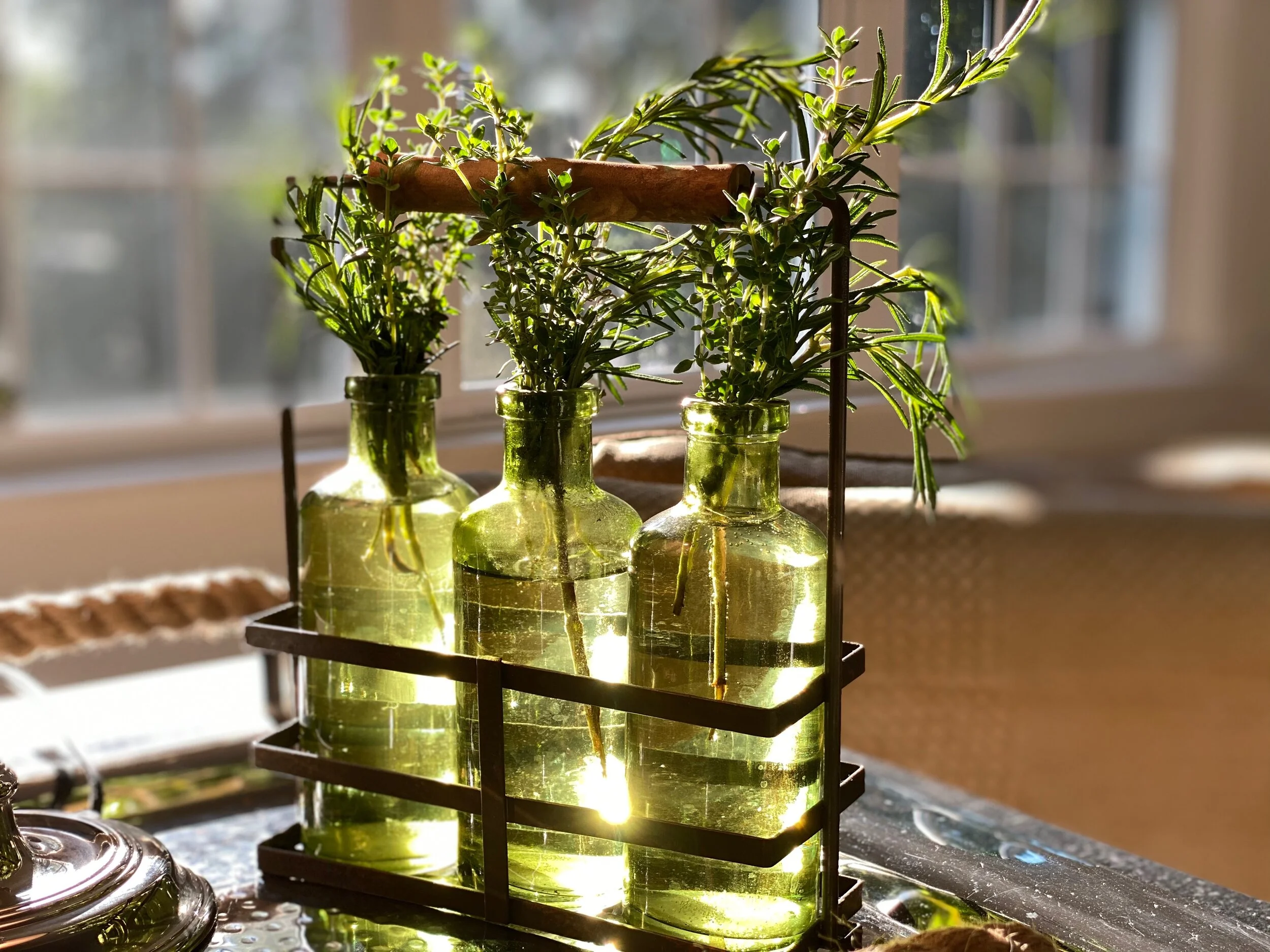
Sage and Rosemary – Not just for savory dishes, these aromatic herbs were often steeped for both their comforting flavor and their believed medicinal qualities.
And let us not forget strawberry leaves and yarrow, two more plants that found their way into colonial cups.
As I wander through my gardens, filled with herbs and flowers that will one day become my own tisane blends, I cannot help but feel connected to the women who came before me - their resourcefulness, their love of home, and their ability to find comfort in the simplest of things.
A small garden, a window box, or even a single planter filled with herbs and edible flowers is a gentle reminder that one does not need a large piece of land to enjoy a lovely cup of tea throughout the year.
Perhaps all that is needed is a handful of herbs, a warm mug, and a little bit of New England's enduring spirit.
Herbs & Flowers for a Liberty Tea & Tisane Garden
The Mint Family
(unless you want a lot of mint tea… I recommend planting mints in containers or self-contained areas, as they have a habit of taking over.)
Peppermint
Spearmint
Orange Mint (one of my favorites to grow and dry)
Apple Mint
Chocolate Mint
Lemon Balm
Bee Balm (Monarda or Bergamot)
Floral & Sweet Herbs
Chamomile
Lavender
Calendula
Rose Petals
Hibiscus
Elderflower
Violet Flowers
Borage Flowers
Culinary Herbs Wonderful for Tea
Lemon Verbena
Lemon Thyme
Thyme
Sage
Rosemary
Marjoram
Oregano
Anise Hyssop
Hyssop
Fennel
Dill Seed
Coriander Seed
Citrus & Fruity Herbs
Lemon Balm
Lemon Verbena
Lemongrass
Pineapple Sage
Orange Mint
Lemon Mint
Rose Hips
Soothing & Medicinal Herbs
Catnip
Tulsi (Holy Basil)
Red Clover Blossoms
Linden Flowers
Nettle
Self-Heal (Prunella)
Echinacea
Horehound
Woodland & New England Favorites
Wintergreen (Teaberry)
Sweet Fern
Spruce Tips
White Pine Needles
Juniper Berries (used sparingly)
My little apothecary garden may be new and I look forward to what it will become in the future, but I feel I am continuing a tradition that began long before me, one cup of Liberty Tea at a time.