
Common Edible Flowers
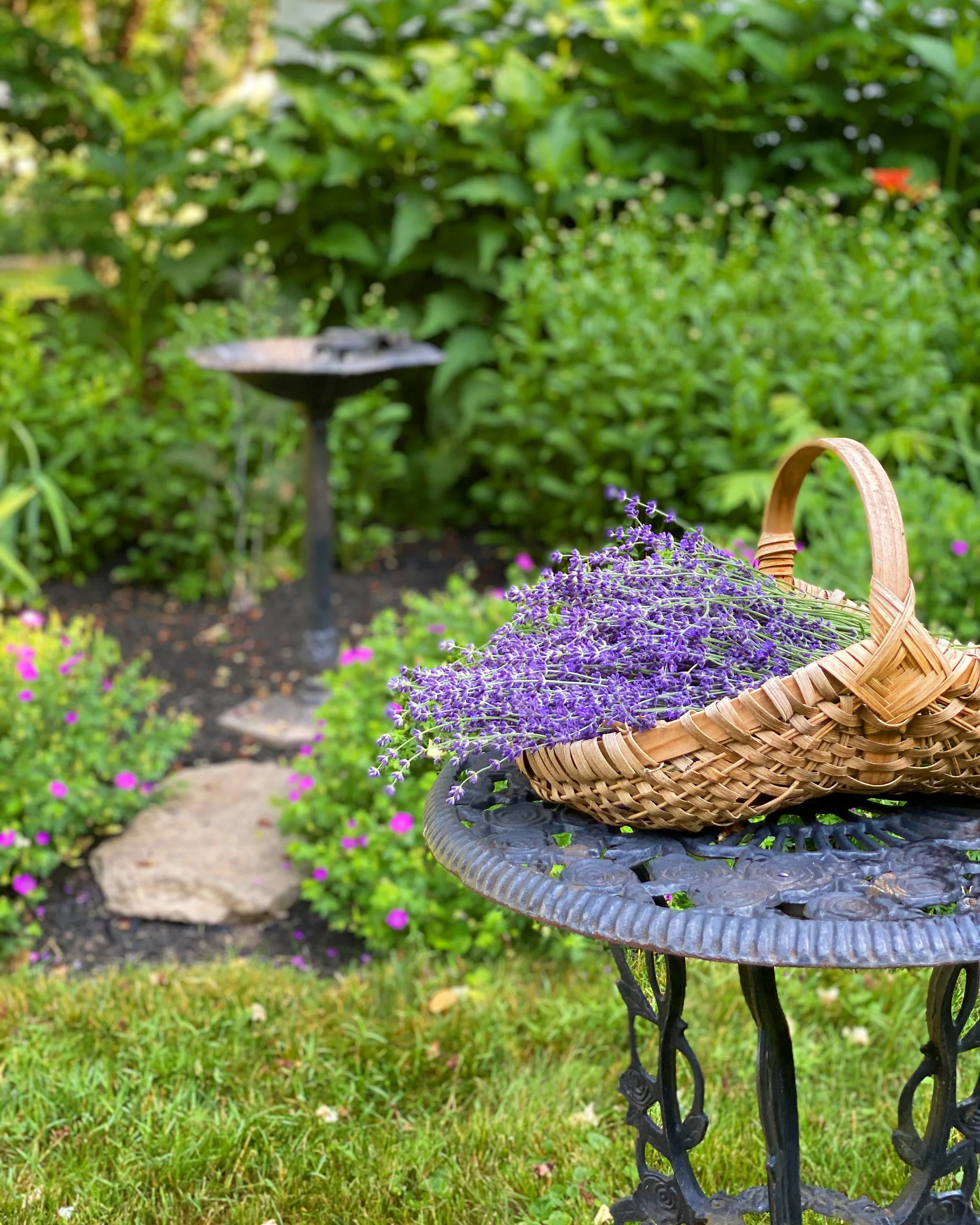
Edible flowers have long graced New England tables, whether steeped in teas, pressed into sweets, flavor for meats, or garnishing a summer salad. These blooms are more than decoration; they bring subtle flavors, color, and a whisper of old-world charm to the everyday.
Below, I’ve gathered a list of edible flowers, some are well-know, while others might surprise you. Whether you're looking to add a touch of elegance to a garden party, or simple joy to your afternoon tea, these little flowers will at a touch of fine living to your experience.
Let’s begin…
Mild & Sweet
Viola (Johnny Jump-Up) – sweet, grassy; great for salads and desserts
Pansy – mild, slightly minty; used for decorating cakes and salads
Violet – sweet, perfumed; lovely in jellies and syrups
Chamomile – apple-like; great in teas
Hibiscus (Roselle) – tart cranberry-like; teas, cocktails, syrups
Lilac – lemony, floral; candied, used in syrups
Magnolia petals – mild gingery taste; pickled or used in sweets
Peach blossom – light, floral; often used in teas
Herbal & Fresh
Basil flowers – same as leaves, but milder
Cilantro flowers – light citrusy flavor
Dill flowers – sweet dill taste; great with fish
Fennel flowers – anise-like, strong; garnish or infused
Mint flowers – sweet minty; teas, desserts
Oregano flowers – more delicate than leaves
Rosemary flowers – piney, subtle version of leaf
Sage flowers – mildly sweet and herbal
Thyme flowers – gentle version of thyme leaf flavor
Floral & Perfumed
Lavender – strong floral and herbaceous; syrups, sugar, shortbread
Rose – perfumed, can be spicy or sweet; syrups, jellies, desserts
Elderflower – sweet, muscat-like; cordials, syrups, liqueurs
Angelica – slightly sweet and licorice-flavored; candied stems and flowers
Jasmine (Jasminum officinale) – sweet and heady; teas, syrups
Citrus & Tart
Begonia – tart, crisp; salads and summer drinks
Nasturtium – peppery, mustardy, slightly tart; salads, stuff blossoms
Marigold (Tagetes tenuifolia – Gem marigold) – citrusy; salads, teas
Calendula (Pot Marigold) – tangy, slightly peppery; often used like saffron
Wood sorrel flowers – lemony tang; use sparingly in salads
Daylily (Hemerocallis) – mild and sweet with a crunch; eat buds or flowers
Spicy, Peppery, & Savory
Nasturtium – peppery like arugula; salads, compound butters
Garlic chive blossoms – oniony and garlicky; compound butters, soups
Arugula flowers – sharp, nutty, peppery
Mustard flowers – pungent, spicy
Radish flowers – spicy bite, milder than the root
Unusual or Unique flavors
Bee balm (Monarda) – minty with hints of oregano; teas and garnishes
Chrysanthemum (edible varieties) – pungent and bitter, but used in Asian cuisine
Sunflower petals – slightly bitter; good as garnish or steeped
Squash blossoms (zucchini, pumpkin) – delicate, mildly sweet; delicious stuffed or fried
Cornflower (Bachelor's button) – slightly spicy and clove-like; mainly used for color
Borage – cucumber-like; beautiful in drinks and ice cubes
Scented geraniums – vary in flavor: lemon, rose, nutmeg, etc.
For Decorating & Baking
Rose petals – crystallized, syrups, or layered into desserts
Pansies and Violas – pressed onto cookies or cupcakes
Calendula – as edible “confetti”
Cornflower – add vibrant color to baked goods
Chrysanthemum petals – used in teas and traditional desserts
⚠️ Cautions
Always identify flowers with certainty before consuming.
Avoid flowers from florists or roadsides—these may be treated with chemicals.
Introduce new edible flowers in small amounts to ensure no allergic reaction.
Some flowers, like daylilies, may cause digestive upset if overconsumed.